
A radiator leak can be a frustrating and potentially damaging issue for any vehicle owner. However, understanding the steps involved in diagnosing and addressing a radiator leak can help you effectively resolve the problem and keep your vehicle running smoothly.
Visual Inspection
The first step in diagnosing a radiator leak is to visually inspect the radiator and surrounding components. Look for any signs of coolant leakage, such as puddles or stains underneath the vehicle and visible cracks or corrosion on the radiator itself.
Pressure Test
If the source of the leak is not immediately apparent, a pressure test can help pinpoint the problem. A mechanic will use a pressure testing kit to pressurize the cooling system and look for any signs of leakage, which may indicate a faulty radiator cap, damaged hose, or cracked radiator.
Coolant System Inspection
Inspecting the entire coolant system, including hoses, clamps, and connections, is crucial in identifying potential sources of leaks. Check for loose or damaged hoses, deteriorated hose clamps, and signs of coolant residue around connections.
Radiator Cap Examination
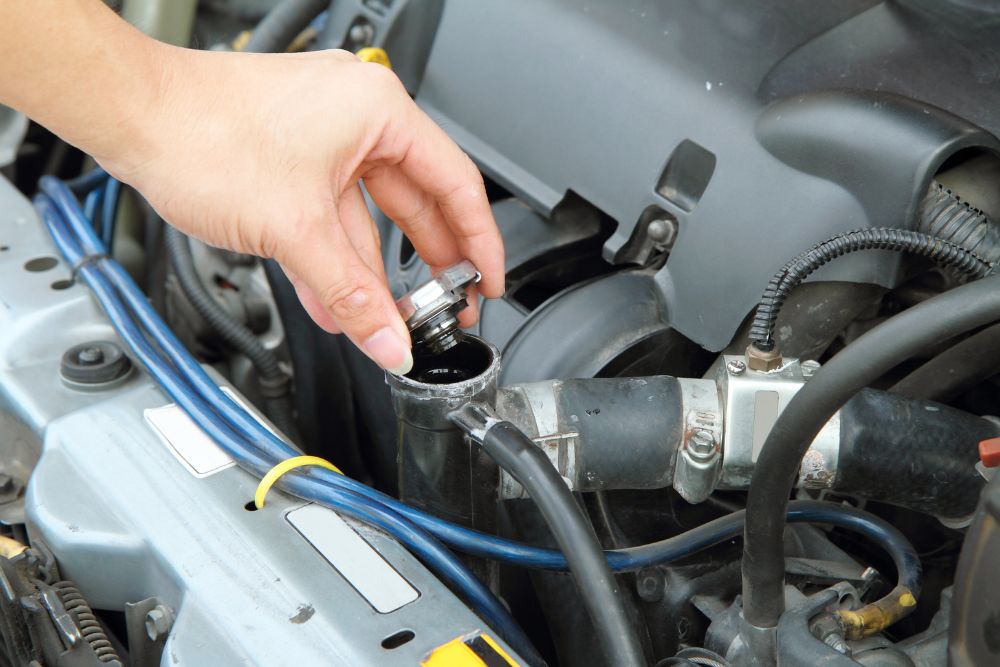
A faulty radiator cap can cause coolant to leak or evaporate, leading to cooling system inefficiencies. Inspect the radiator cap for signs of wear or damage, such as cracks or a loose seal, and replace it if necessary.
UV Dye Test
A UV dye test may be employed in some cases, particularly for small or hard-to-detect leaks. A fluorescent dye is added to the coolant, and a UV light is used to detect any leaks, making it easier to pinpoint the source of the problem.
Professional Assessment
If you cannot identify or address the radiator leak independently, seek assistance from a professional mechanic. They have the expertise and diagnostic tools to accurately diagnose the issue and recommend the appropriate repairs.
Diagnosing a radiator leak requires careful inspection and attention to detail. By following these steps and seeking professional assistance when needed, you can identify and address radiator leaks promptly, ensuring your vehicle’s continued reliability and performance.