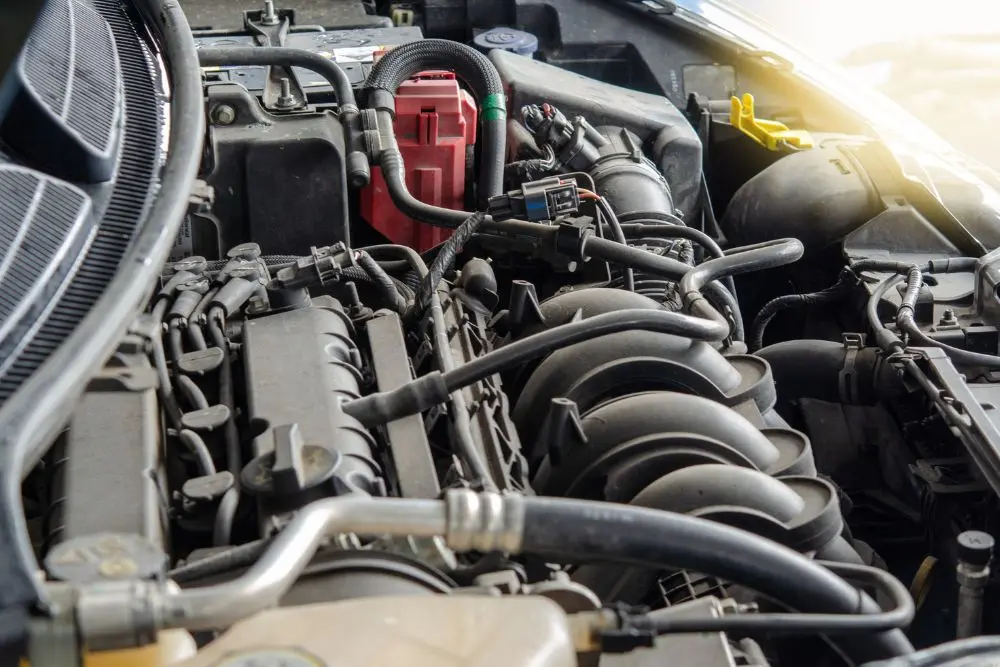
Maintaining your car’s engine in good condition is one of the most important aspects of being a car owner. The engine is the core of your vehicle, and its components must function properly to keep your car running smoothly. The timing belt and timing chain are two vital components that require proper care and maintenance. These belt and chain systems synchronize the different parts of your car’s engine. We’ll dive deeper into engine repair, timing belts, and timing chains and provide you with all the necessary information.
Timing Belt vs. Timing Chain
A timing belt and timing chain look similar but have different functions. A timing belt, also known as a cam belt, is made of rubber and is essential to your car’s engine operation. Its primary function is to connect the camshaft and crankshaft, regulating the opening and closing of engine valves and maintaining the precise timing required for optimal engine performance. On the other hand, a timing chain is made of metal and is a more robust and durable option. It’s used in larger engines and doesn’t require replacement as often as a timing belt. It connects the camshaft and crankshaft, providing the same function as a timing belt.
Timing Belt Replacement
Regular maintenance and replacement are essential to prevent engine damage if you own a car equipped with a timing belt. The timing belt should be replaced every 60,000 to 100,000 miles, depending on the manufacturer’s recommendations. If you fail to replace it on time, the belt can break, causing significant damage and costly repairs to your engine. Check your owner’s manual or consult a certified mechanic to determine the optimal replacement period for your car’s timing belt.
Symptoms of a Failing Timing Belt or Chain
As soon as a timing belt or chain wears out, subtle symptoms will appear. Failing to address these symptoms can result in catastrophic engine damage, so it’s essential to have a certified mechanic inspect your car if any of these symptoms arise. Some of the most common symptoms of a failing timing belt include engine misfires, difficulty starting the engine, rough idling, a whining noise, and a loss of power or acceleration.
Understanding the critical role of the timing belt and timing chain in your car’s engine is essential for maintaining your vehicle. Regular maintenance and replacement of these components can help you avoid costly repairs and keep your vehicle running efficiently for years. If you’re unsure when your timing belt or chain needs to be replaced or suspect any symptoms of wear, be sure to consult a certified mechanic. Stay on top of your car’s engine repair needs and keep your vehicle running smoothly!